






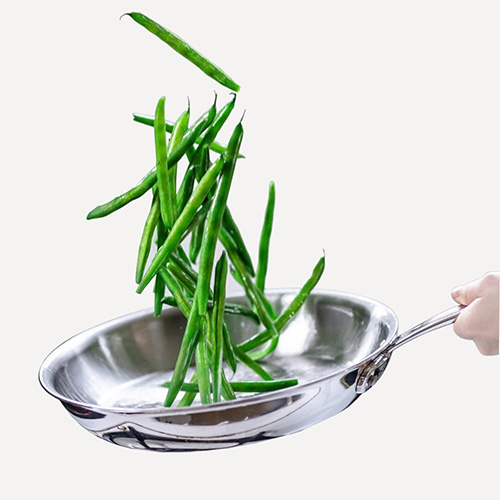
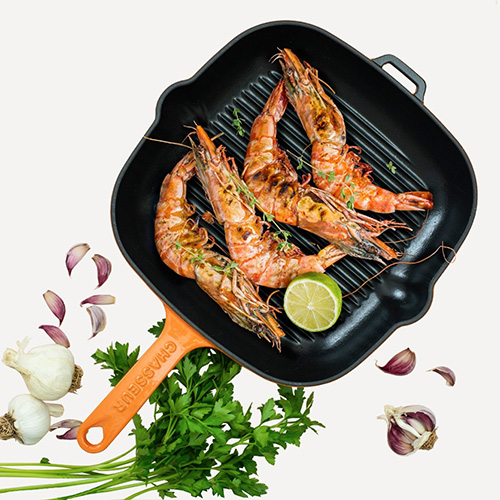
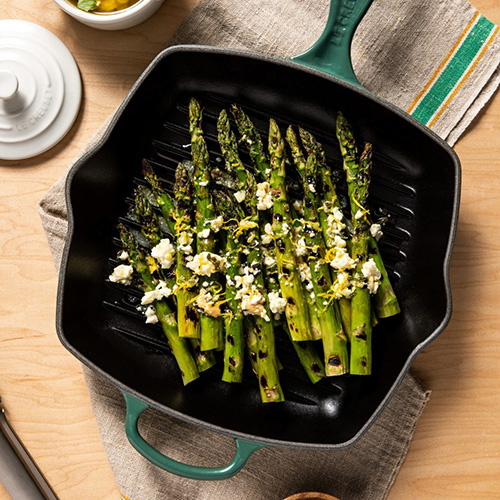
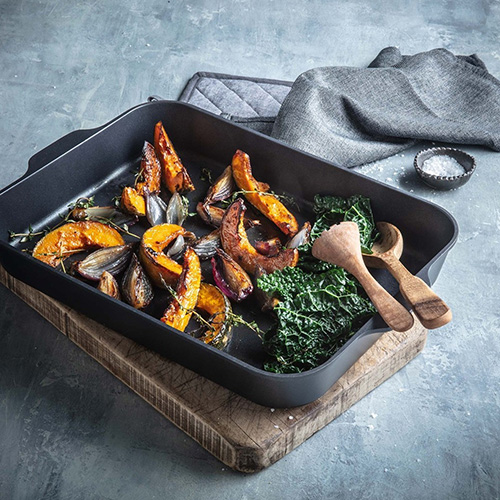
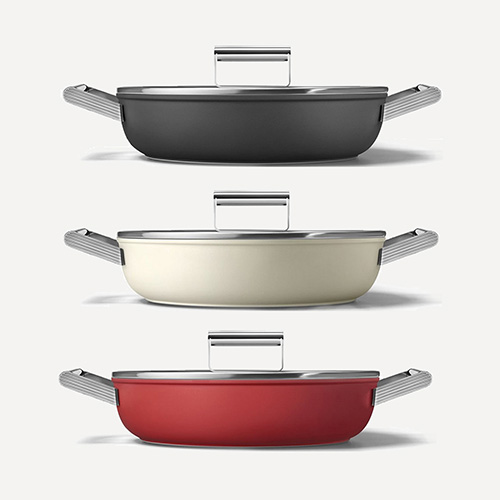
The best saute pan suits the way you cook. Choose stainless steel for strong searing, non-stick for easy turning and cleanup, or copper for quick temperature control.
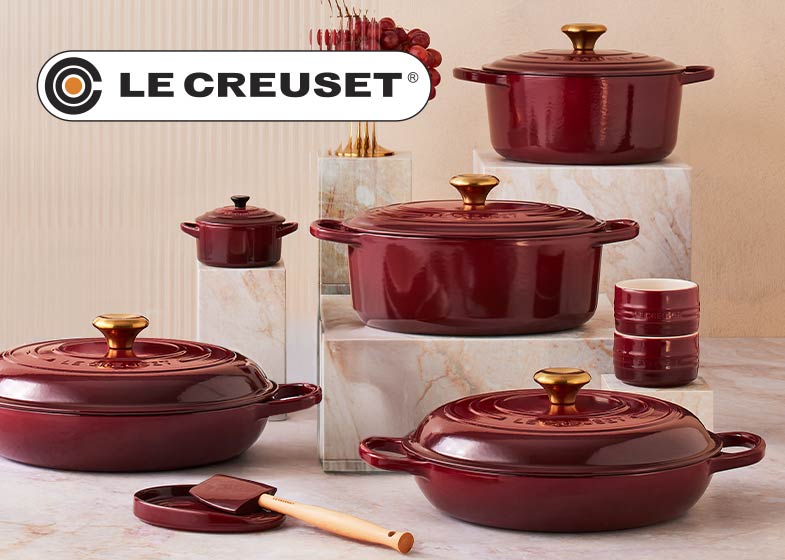
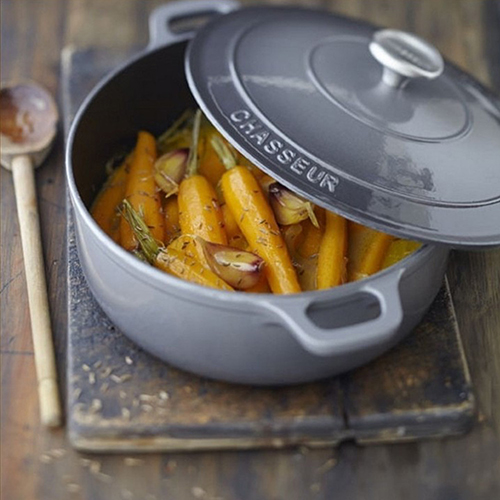
Tall sides, broad base, plenty of jiggle room, the saute pan is built for both ambitious dinners and stovetop staples. Since 1977, Peter’s of Kensington has been home to premium saute pans from Le Creuset, Scanpan and Chasseur, made for sizzling starts, saucy middles and one-pan finishes.
Why a saute pan is the most versatile pan you'll own
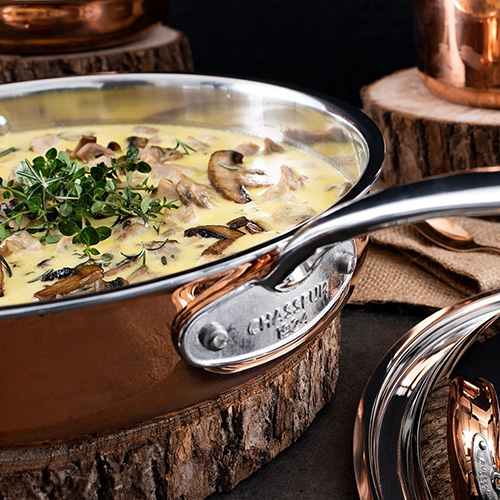
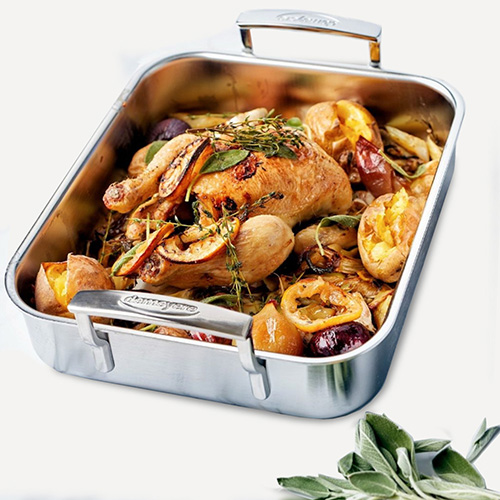
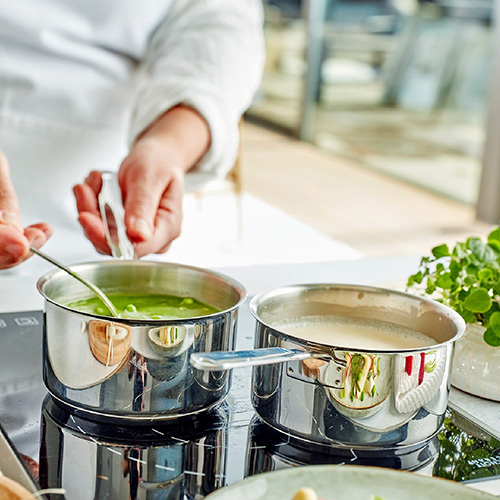
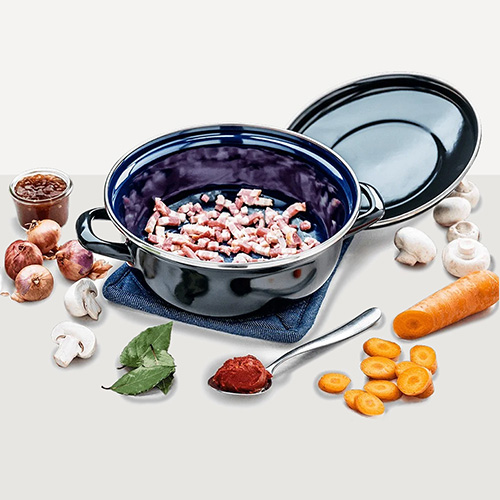
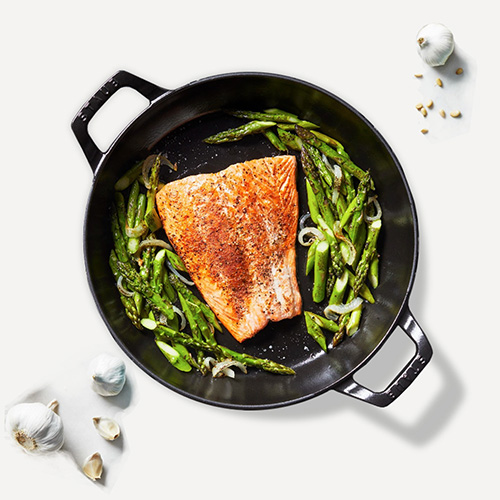
Sear the chicken, soften the onions, splash in the stock and let the whole lot bubble away. A saute pan has the broad base for proper browning and straight sizes to hold sauces, grains and generous one-pan dinners. Pop on the lid to keep moisture in and the saute pan wraps up dinner from sharp sizzle to flavour-filled braise.
How to choose the right saute pan
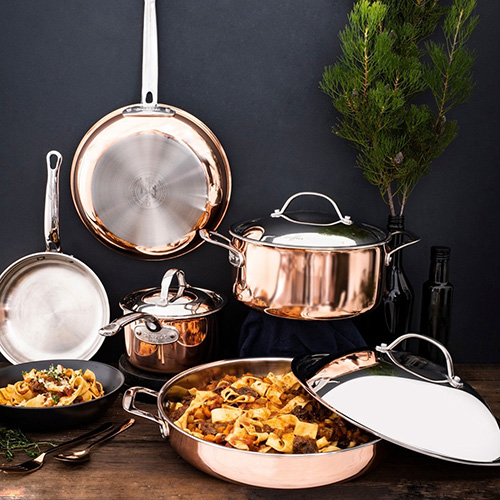
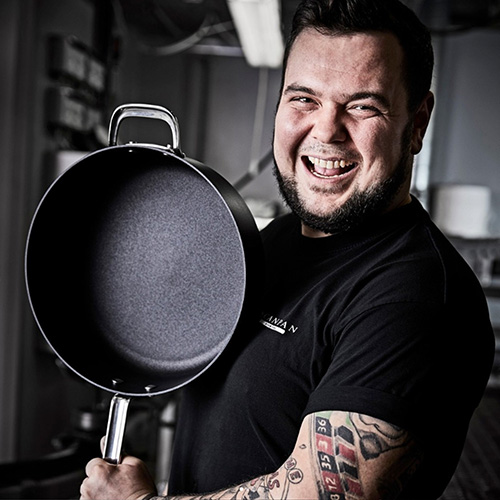
Pick the size for your crowd, the material for your cooking style and one with a lid for slower, saucier dishes. A 26cm pan suits everyday dinners, while 28-30cm gives larger portions and one-pan meals more room to brown. Scanpan, Le Creuset and Chasseur cover the range from practical non-stick to polished stainless steel and copper.
Complete your cookware collection
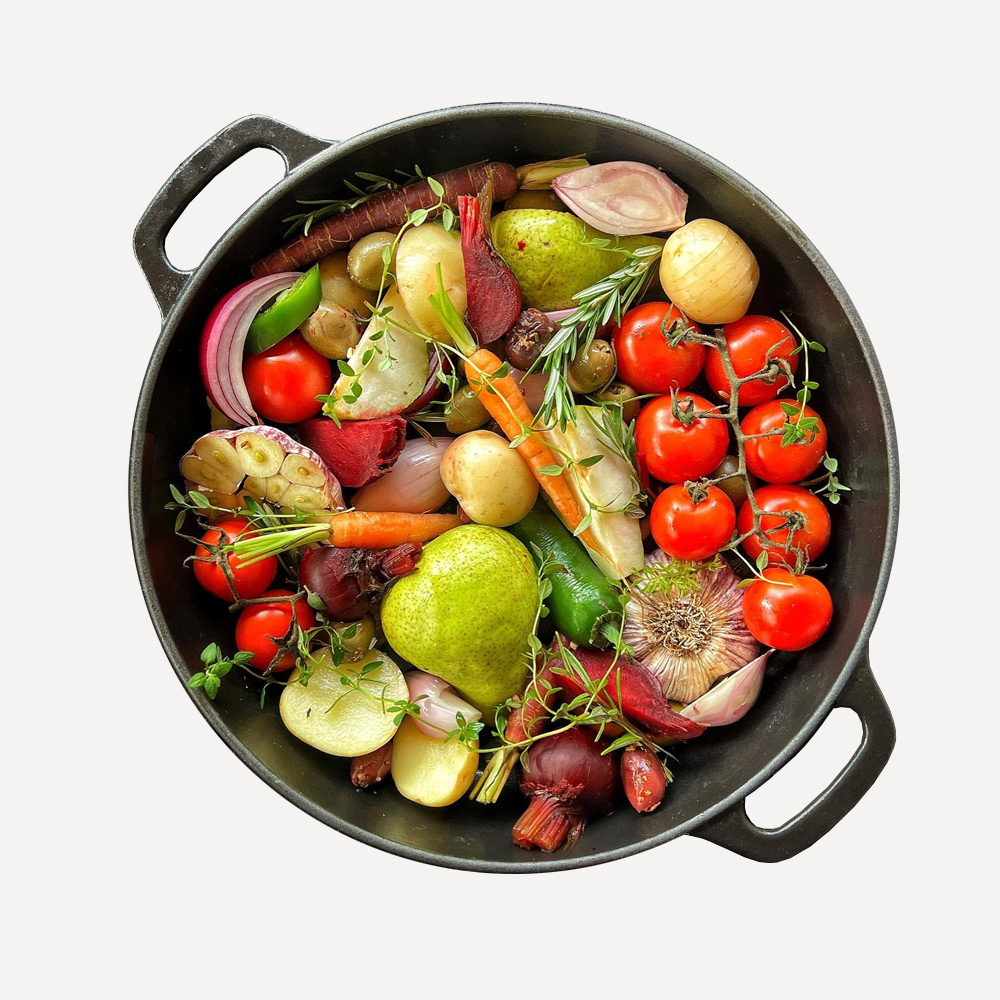
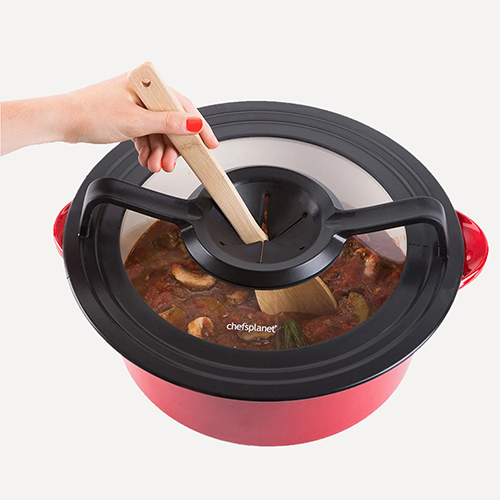
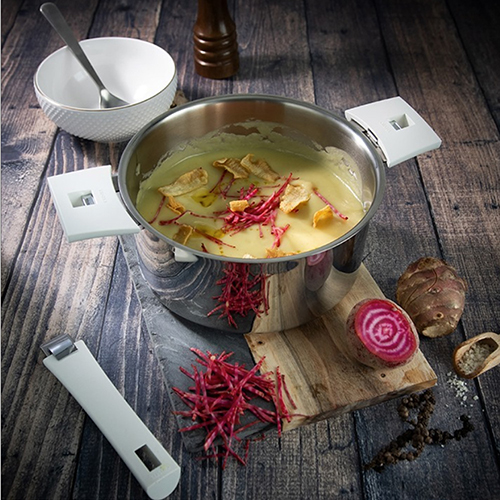
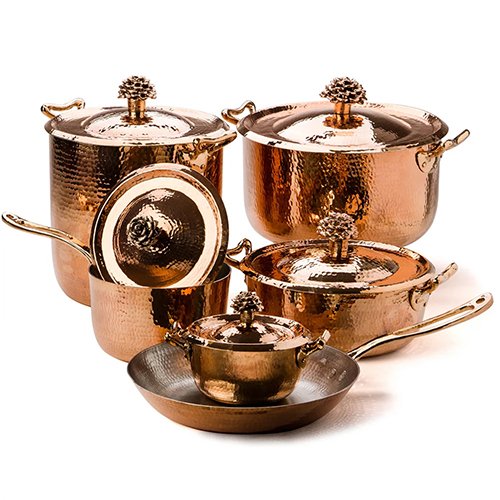
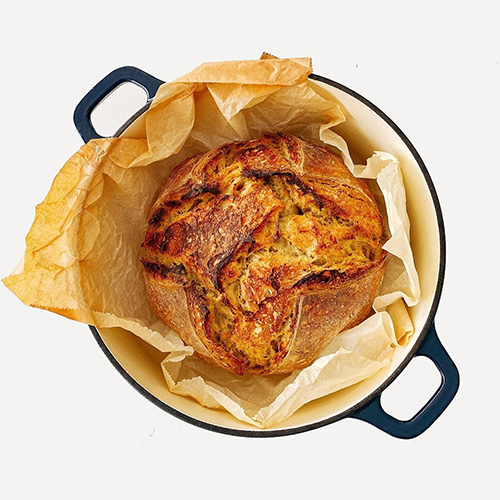
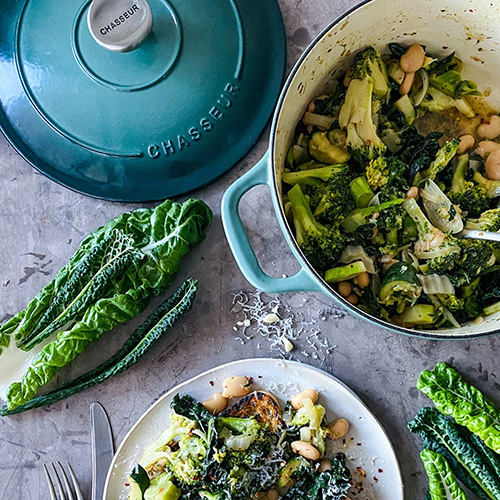
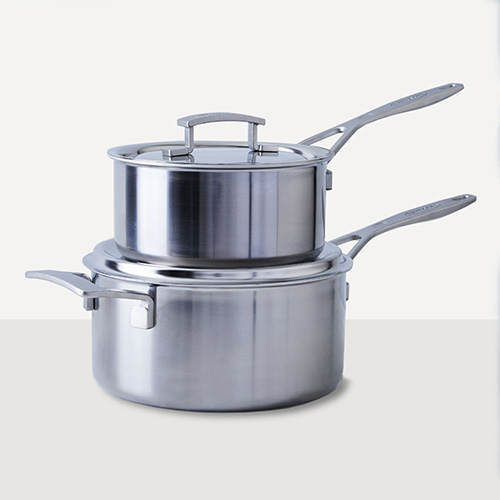
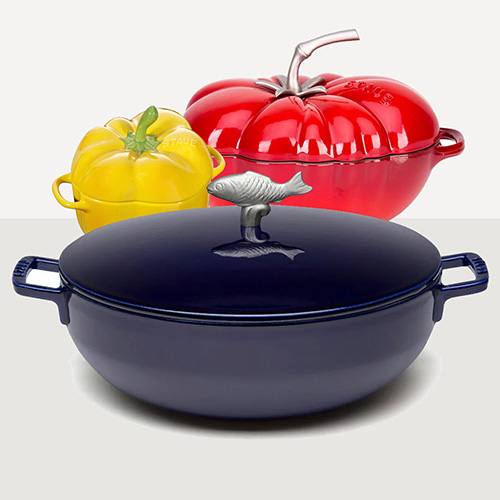
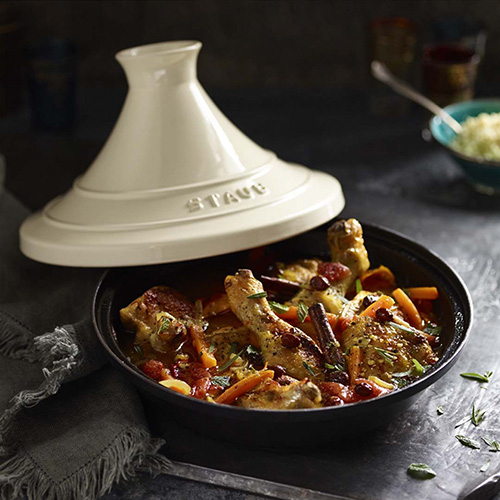
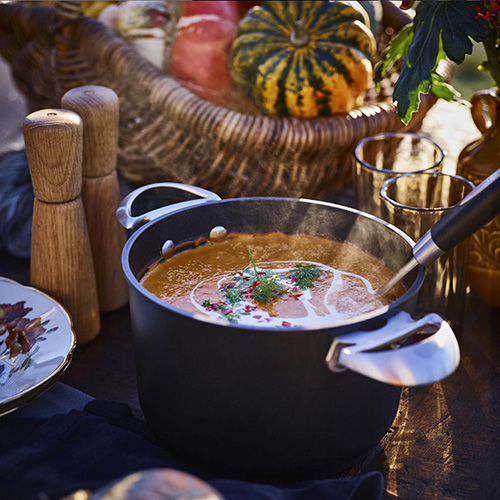
Cover every cooking mood from fast fries to long, lazy braises. Reach for frypans and skillets when the job calls for flipping and frying, saucepans for boiling and simmering and casserole pots for slow, saucy suppers. A matching cookware set round out the stovetop for the full sizzle-to-simmer spectrum
Frequently Asked Questions
What are the best saute pans?
Can you put saute pans in the oven?
Many can but always check the product details first. Oven safety depends on the pan’s material, handles, lid and temperature rating. Stainless steel and cast metal designs are often oven-friendly, while some non-stick pans and glass lids have lower heat limits.
What is a saute pan?
A saute pan is made for searing, frying, simmering, braising and one-pot meals. Its broad base gives food room to brown, while the tall, straight sides hold sauces, stock and generous proportions safely inside. Add a lid when dinner needs a slow simmer.
What is the difference between a saute pan and a frypan?
A frypan has sloped flared sides for quick flipping, tossing and evaporation. A saute pan has higher, straighter sides giving it more capacity for sauces, braises and one-pan dinners.